News
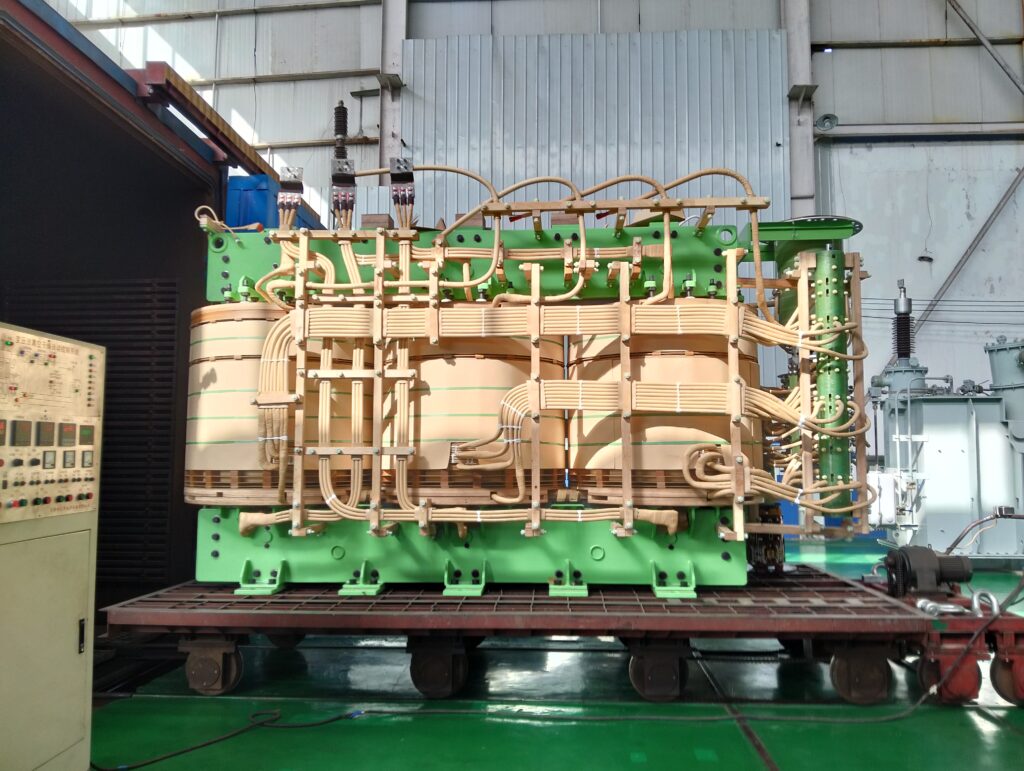
The stable temperature control of windings in oil-immersed transformers directly relates to operational safety, reliability, and service life. This guide explains temperature standards, cooling method requirements, temperature correlation logic, and abnormal handling measures – helping you maintain your transformer within safe operating limits.
During operation of oil-immersed transformers, temperature control is a key link in ensuring equipment safety. Industry specifications and equipment characteristics define clear temperature limits:
These standards balance the thermal stability of transformer oil with the tolerance capacity of winding insulation materials.
Most oil‑immersed transformers use Class A insulation materials for their windings. The maximum allowable operating temperature ranges from 95°C to 105°C. The temperature tolerance of insulation materials directly determines the upper limit of transformer operation. Once the temperature exceeds this range, insulation performance declines rapidly – and irreversible aging damage may occur.
The temperature monitoring and control system of oil‑immersed transformers shows a clear correlation between temperatures of various parts. This provides a scientific basis for accurately judging operational status.
The industry generally adopts 40°C as the standard operating temperature benchmark. This value considers the annual ambient temperature range in most regions worldwide – ensuring the universality and applicability of the standard.
Under standard operating temperature (40°C ambient):
| Component | Temperature Rise Above Ambient |
|---|---|
| Winding average temperature (including surrounding gas) | 65°C |
| Top oil temperature | 55°C |
| Winding relative to oil (calculated) | 10°C |
Therefore, we can infer the winding temperature from the top oil temperature:
Oil‑immersed transformers have different heat dissipation efficiencies and temperature control standards depending on their cooling methods. Therefore, we must develop targeted operation and control measures.
These transformers achieve cooling through forced oil circulation combined with fans – resulting in high heat dissipation efficiency. Consequently, their temperature control standards are more stringent.
| Parameter | Limit |
|---|---|
| Top oil temperature (normal operation) | 75°C |
| Corresponding temperature rise | 35°C |
Monitoring focus: Check the operating status of oil pumps and fans regularly to ensure the cooling system works properly.
These transformers rely on natural convection for heat dissipation – with fans for auxiliary cooling. Additional over‑temperature protection devices (temperature relays, pressure relief valves) are required.
| Parameter | Limit |
|---|---|
| Normal top oil temperature | ≤ 85°C |
| Maximum top oil temperature | 95°C |
| Maximum temperature rise | 55°C |
Precaution: Natural convection efficiency is greatly affected by ambient temperature and oil flow. Therefore, increase temperature monitoring frequency during high‑temperature seasons or peak load periods.
Excessively high temperatures pose significant hazards – shortening service life and potentially causing serious safety accidents.
| Hazard | Consequence |
|---|---|
| Insulation aging | Decreased mechanical strength and insulation resistance → winding short‑circuit faults |
| Oil deterioration | Increased dielectric loss, reduced breakdown voltage → loss of insulation and cooling functions |
| Shortened service life | 20‑30 year design life may reduce to ~10 years before major repair or replacement |
| Safety accidents | Winding burnout, tank explosion, large‑scale power outages, economic losses |
Operation and maintenance personnel must continuously monitor temperature changes through temperature monitoring devices (platinum resistance thermometers, infrared thermometers, etc.).
When any temperature limit is exceeded, follow this emergency process:
| Parameter | Limit | Notes |
|---|---|---|
| Top oil temperature (normal) | ≤ 85°C | Recommended daily limit |
| Top oil temperature (maximum) | 95°C | Absolute limit |
| Winding temperature (Class A insulation) | 95‑105°C | Lower/upper tolerance range |
| Temperature rise (top oil) | ≤ 55°C | Above ambient (40°C baseline) |
| Temperature rise (winding over oil) | 10°C | Calculated value |
Contact a Xinghe representative today to learn more about our Transformer.