News
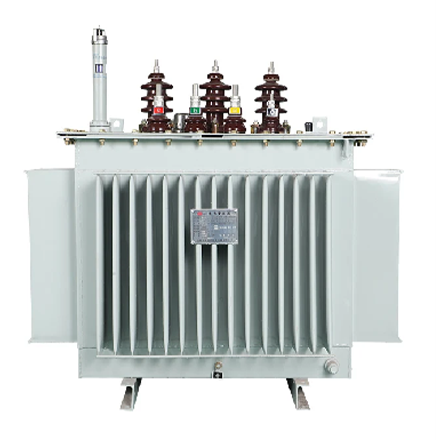
Distribution transformers play a critical role in power transmission and distribution systems. They step down voltage from high‑voltage transmission lines to low‑voltage feeders that supply end consumers. However, these transformers often experience overloading due to various factors – such as increased electricity demand, system faults, and improper design.
Overloading can lead to several adverse consequences, including shortened equipment lifespan, increased maintenance costs, and even transformer failure. Therefore, understanding the causes and effects of overloading and implementing necessary preventive measures are essential for ensuring grid stability.
| Cause | Description |
|---|---|
| Growing electricity demand | Population growth and new residential, commercial, and industrial developments often exceed the designed capacity of existing transformers |
| System faults | Short circuits, overcurrent, and voltage fluctuations can induce overloading |
| Inadequate design | Insufficient capacity margins or inadequate cooling systems significantly increase overloading risk |
Consequently, these factors – whether alone or combined – place distribution transformers under continuous or intermittent stress beyond their rated capacity.
Overloading accelerates the aging of transformer insulation. For every 6‑8°C increase in winding temperature above the rated value, insulation life halves. Therefore, even moderate overloading can significantly shorten service life.
Damage caused by overloading leads to higher frequencies of maintenance and repairs – imposing financial strain on utility budgets. Repeated overloading also increases energy losses, further raising operating expenses.
Severe or sustained overloading can result in complete transformer failure – causing power outages and disrupting consumer supply. In extreme cases, this may lead to winding burnout, oil degradation, or even tank explosion.
| Method | What to Monitor |
|---|---|
| Load monitoring | Track actual load current against rated capacity over time |
| Temperature monitoring | Watch top oil temperature and winding temperature (calculated or direct) |
| Oil analysis | Check for gas generation (DGA) indicating overheating |
| Thermal imaging | Identify hot spots during routine inspections |
Early detection allows corrective action before overloading causes permanent damage.
Implementing load management strategies helps balance grid load and prevent transformer overloading:
Ensuring rational design of the distribution system and transformers can fundamentally mitigate overloading risks:
Conducting periodic inspections and condition monitoring facilitates early detection of abnormalities:
| Maintenance Task | Frequency |
|---|---|
| Visual inspection (oil leaks, sounds, connections) | Monthly |
| Thermal imaging of connections and tank | Quarterly |
| Oil quality testing (dielectric strength, moisture) | Semi‑annually |
| Electrical testing (insulation resistance, turns ratio) | Annually |
| Cooling system verification (fans, pumps, radiators) | Quarterly |
When existing transformers are consistently overloaded despite load management efforts, consider:
| Aspect | Consequence | Preventive Action |
|---|---|---|
| Lifespan | Reduced by 30‑50% if frequent | Load management, proper sizing |
| Costs | Higher maintenance and energy losses | Regular maintenance, high‑efficiency design |
| Reliability | Increased failure risk and outages | System optimization, cooling upgrades |
| Compliance | Difficulty meeting voltage/SAIFI targets | Adequate capacity margins |
Overloading of distribution transformers adversely affects grid operation and the reliability of power supply to end users. Therefore, a systematic analysis of the causes and effects of overloading – along with proactive preventive measures – holds significant practical importance for engineering applications.
Through scientific load management, optimized system design, and strengthened regular maintenance, the efficient and safe operation of distribution transformers can be effectively ensured.
Contact a Xinghe representative today to learn more about our Transformer.