News
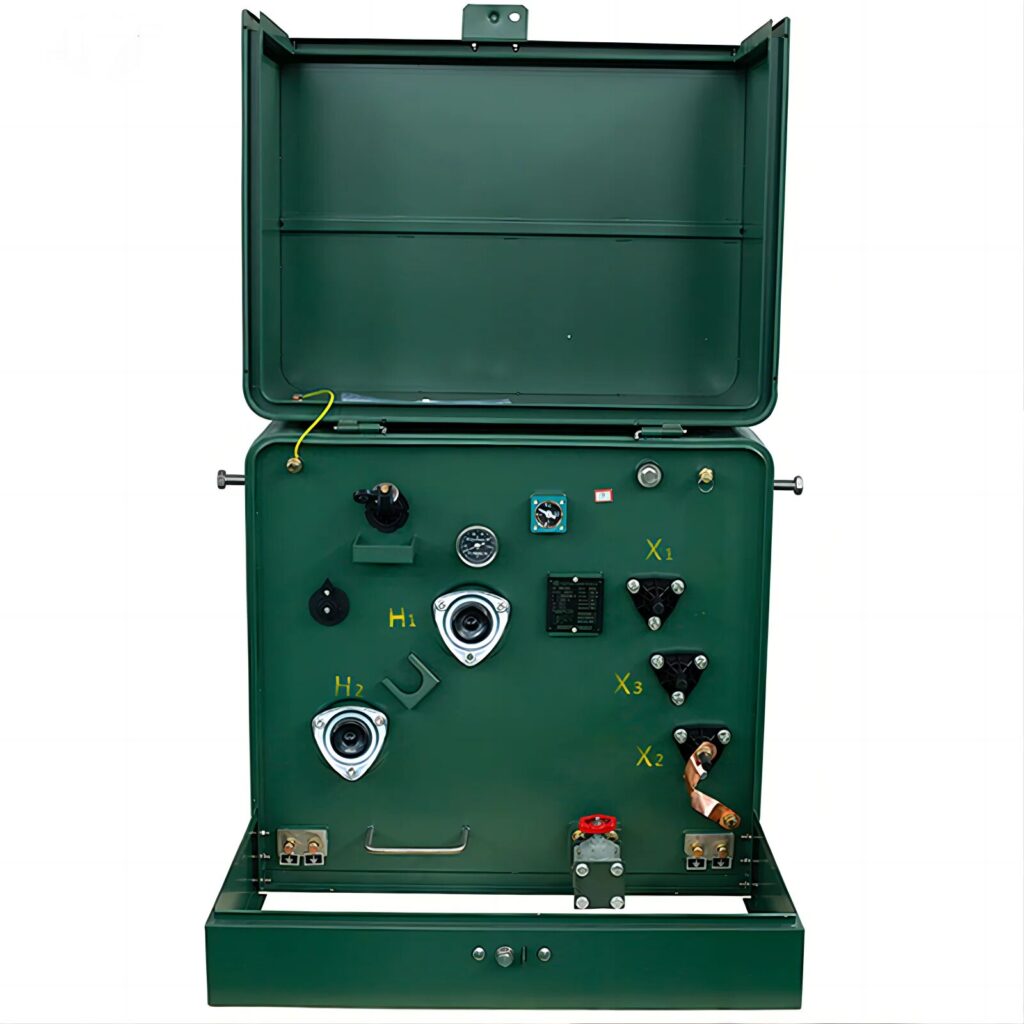
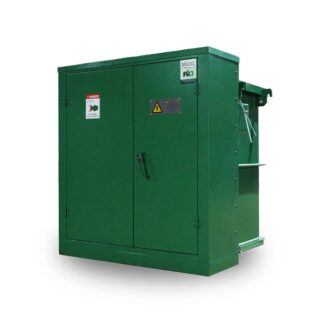
A Single Phase Pad Mounted Transformer is a compact power distribution device that converts high‑voltage electrical energy into low‑voltage electrical energy for end‑user consumption. Its core function is to achieve voltage level conversion through electromagnetic induction, thereby providing stable and reliable low‑voltage power. Therefore, this transformer occupies an important position in modern distribution systems – especially suitable for scenarios where loads are scattered and power supply distances are long.
The working principle of a Single Phase Pad Mounted Transformer is based on the law of electromagnetic induction – converting electrical energy from the high‑voltage side to the low‑voltage side through a transformer.
Core structure includes:
How it works:
The high‑voltage load switch and fuse play protective roles – ensuring safe operation during overload or short‑circuit events.
| Type | Application | Characteristics |
|---|---|---|
| Urban distribution | Residential and commercial areas | Concentrated load, high reliability requirements |
| Rural distribution | Remote areas with scattered loads | Long supply distances, lower density |
| Industrial distribution | Factories, mines, heavy industry | High power demand, robust design |
| Type | Features | Best Suited For |
|---|---|---|
| Compact | Small size, easy installation | Space‑limited locations |
| Modular | Expandable, convenient maintenance | Projects requiring scalability |
| Method | Description | Typical Use |
|---|---|---|
| Pole‑mounted | Mounted on utility poles | Space‑constrained areas, rural settings |
| Ground‑mounted | Installed on concrete pads | Larger capacity, easier access for maintenance |
| Parameter | Consideration | Common Values |
|---|---|---|
| Voltage level | Determines application range | 10 kV/0.4 kV, 35 kV/0.4 kV |
| Rated capacity | Power supply capability | Selected based on load demand (e.g., 25–500 kVA) |
| Short‑circuit capacity | Safety and stability | Must withstand system short‑circuit current |
| Parameter | Definition | Importance |
|---|---|---|
| Rated voltage | Primary/secondary voltage levels | Determines system compatibility |
| Rated current | Maximum continuous current | Matches load requirements |
| Rated capacity | Maximum load (kVA) | Reflects supply capability |
| Efficiency | Output/input ratio | Measures operating economy |
With growing power demand and advancing technology, Single Phase Pad Mounted Transformers are evolving toward:
These advancements will strengthen power distribution reliability and support the sustainable development of the power industry.
Contact a Xinghe representative today to learn more about our Transformer.