News
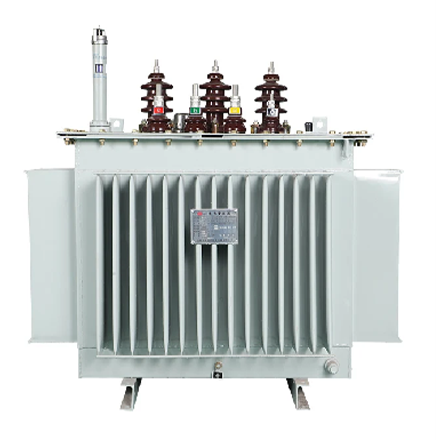
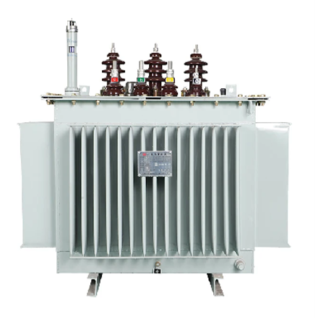
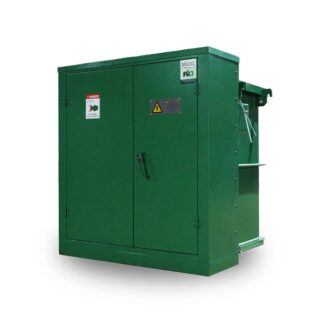
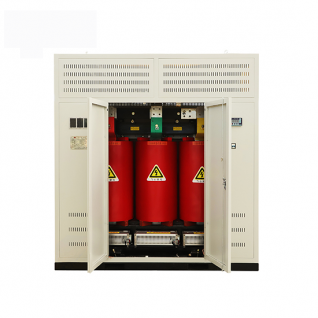
Distribution transformers play a critical role in power transmission and distribution systems. They function to step down the voltage from high-voltage transmission lines to low-voltage feeders that supply end consumers. However, these transformers are often subjected to overloading due to various factors, such as increased electricity demand, system faults, and improper design.
Overloading of distribution transformers can lead to several adverse consequences, including shortened equipment lifespan, increased maintenance and repair costs, and even transformer failure. Therefore, understanding the causes and effects of transformer overloading and implementing necessary preventive measures are essential for ensuring grid stability.
Primary Causes of Distribution Transformer Overloading:
1. Growing Electricity Demand: With population growth and the development of new residential, commercial, and industrial areas, electricity demand continues to rise, often exceeding the designed capacity of distribution transformers.
2. System Faults: Distribution transformers are susceptible to various system faults, such as short circuits, overcurrent, and voltage fluctuations, which can induce overloading.
3. Inadequate Design: Design deficiencies in the distribution system or the transformer itself—such as insufficient capacity or inadequate cooling systems—can significantly increase the risk of overloading.
Key Impacts of Distribution Transformer Overloading:
1. Reduced Operational Lifespan: Overloading accelerates the aging of transformer insulation, significantly shortening its service life.
2. Increased Operational Costs: Damage caused by overloading leads to higher frequencies of maintenance and repairs, imposing financial strain on utility budgets.
3. Equipment Failure: Severe or sustained overloading can result in complete transformer failure, causing power outages and disrupting consumer supply.
Preventive Measures Against Overloading:
1. Load Management: Implementing load management strategies—such as peak shaving, time-of-use pricing, and energy audits—helps balance grid load and prevent transformer overloading.
2. System Design Optimization: Ensuring rational design of the distribution system and transformers, including adequate capacity margins and effective cooling solutions, can fundamentally mitigate overloading risks.
3. Regular Maintenance: Conducting periodic inspections and condition monitoring of distribution transformers facilitates early detection of abnormalities and allows corrective actions before overloading occurs.
In summary, overloading of distribution transformers can adversely affect grid operation and the reliability of power supply to end users. Therefore, a systematic analysis of the causes and effects of overloading, along with proactive preventive measures, holds significant practical importance for engineering applications. Through scientific load management, optimized system design, and strengthened regular maintenance, the efficient and safe operation of distribution transformers can be effectively ensured.
Contact a Xinghe representative today to learn more about our Transformer.