News
China aims to become carbon neutral by 2060. According to a rare assessment by Royal Dutch Shell, achieving this goal will require the country to triple its electricity generation – from 23% of total energy today to 60% by 2060. This article summarizes Shell‘s key findings, including timelines for renewable energy growth, the role of hydrogen, and carbon price projections.
Shell is one of the largest global investors in China‘s energy sector. Its business covers gas production, petrochemicals, and a retail fuel network. As a leading supplier of liquefied natural gas (LNG), Shell has recently expanded into low‑carbon businesses such as hydrogen power and electric vehicle (EV) charging.
Therefore, Shell’s assessment provides an authoritative, data‑driven view of what China must do this decade to stay on track for its 2060 carbon‑neutrality goal.
China has officially pledged to peak emissions by 2030, but has not yet released a detailed carbon roadmap for 2060. Shell fills that gap with specific projections.
| Indicator | 2020 | 2060 (Forecast) |
|---|---|---|
| Electricity generation (exajoules, EJ) | 20 EJ | >60 EJ |
| Electricity as share of total energy | 23% | 60% |
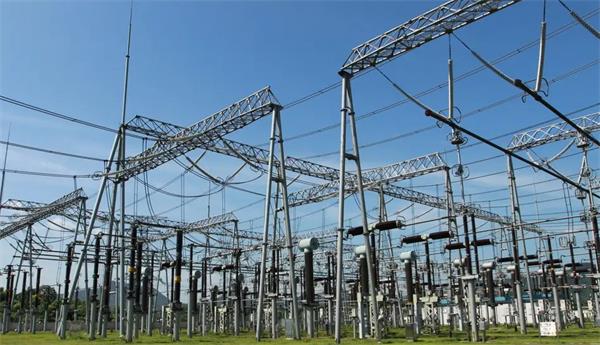
Therefore, China must build massive new renewable power capacity and modernize its grid.
Hydrogen will play a critical role in decarbonizing heavy industry and long‑distance transport.
| Year | Carbon Price (RMB per tonne) |
|---|---|
| 2030 | 300 |
| 2060 | 1,300 |
A rising carbon price will incentivize emissions reduction across all sectors.
According to Shell’s chief economist Mallika Ishwaran, early and systematic action is essential. Key priorities include:
“With early and systematic action, China can deliver better environmental and social outcomes for its citizens while being a force for good in the global fight against climate change.”
– Mallika Ishwaran, Chief Economist, Shell International
Shell‘s forecast signals major opportunities in:
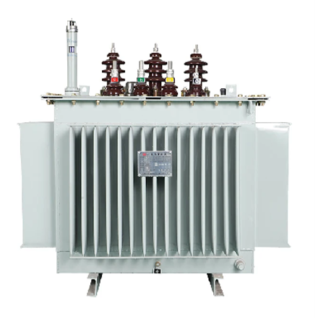
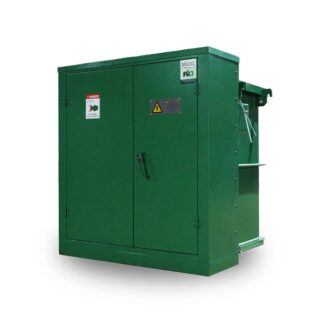
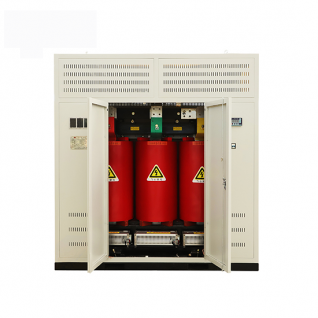
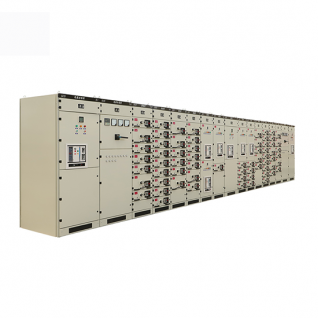
Therefore, companies supplying power infrastructure – including transformer manufacturers – can expect growing demand in China’s decarbonization drive.
| Year | Milestone |
|---|---|
| 2030 | Carbon emissions peak; carbon price = 300 RMB/tonne |
| 2034 | Solar + wind surpass coal as largest power sources |
| 2053 | Biomass + CCUS begin providing negative emissions |
| 2060 | Carbon neutral: electricity tripled, 80% solar/wind, hydrogen at 17 EJ, carbon price = 1,300 RMB/tonne |
Contact a Xinghe representative today to learn more about our Transformer.