News
A photovoltaic isolation transformer is an essential component in solar power systems. Without a reliable photovoltaic isolation transformer, grid‑tied PV installations may suffer from harmonic distortion, DC injection, and voltage mismatch. In this guide, we explain why every serious solar project needs a high‑quality photovoltaic isolation transformer and how to choose the right one.
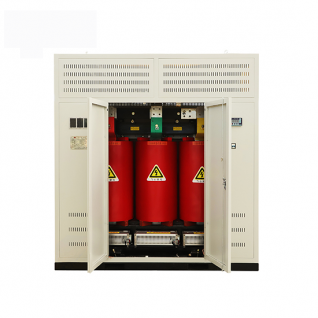
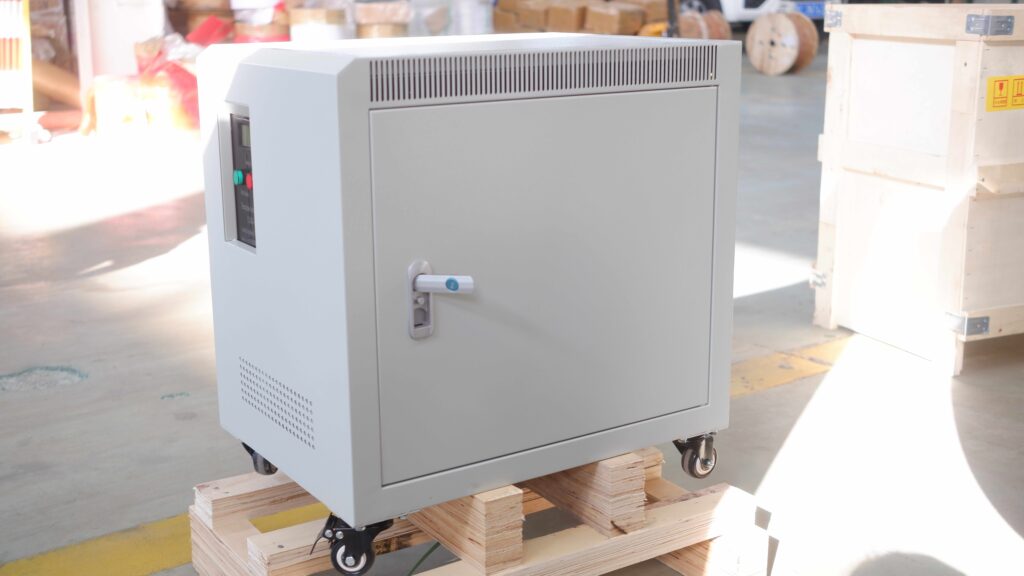
A photovoltaic isolation transformer transfers energy from the inverter to the grid while changing voltage levels and providing galvanic isolation. Unlike oil‑filled units, dry‑type designs require no separate room and eliminate fire or pollution risks. Therefore, this type of transformer is ideal for indoor and space‑limited installations.
The winding insulation of a photovoltaic isolation transformer directly affects its safety and lifespan. For example, when winding temperature exceeds insulation withstand limits, breakdown occurs. Consequently, real‑time temperature monitoring and alarm controls are critical. In addition, a well‑designed photovoltaic isolation transformer includes thermal sensors to prevent overheating.
A photovoltaic isolation transformer suppresses third‑harmonic currents. These currents generate third‑harmonic magnetic flux, which the transformer balances and offsets in the low‑voltage winding. As a result, harmonic distortion decreases significantly.
Moreover, the primary and secondary sides of a photovoltaic isolation transformer couple only through a magnetic circuit. This galvanic isolation stops DC components and leakage currents from entering the grid. Thus, both equipment and the utility grid stay protected.
In factories with large motors or welding machines, grid voltage fluctuates and harmonics are common. A photovoltaic isolation transformer uses its inductance to suppress sudden current changes and tolerate three‑phase imbalances. Therefore, system stability improves.
Different regions apply different grid voltages. For instance, the United States uses single‑phase 110V and three‑phase 220V. A photovoltaic isolation transformer after the inverter matches the required voltage for safe grid connection.
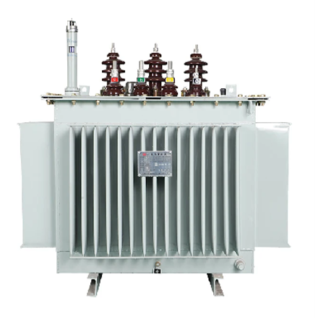
| Feature | Dry‑Type Photovoltaic Isolation Transformer | Oil‑Immersed Transformer |
|---|---|---|
| Environment | Clean, low‑dust areas with moderate capacity | Larger capacity or dirty environments |
| Cooling | Natural air (AN) or forced air (AF) | Natural oil or forced air (depends on capacity) |
| Safety | No oil → no fire, explosion, or pollution risk | Requires fire‑safety measures |
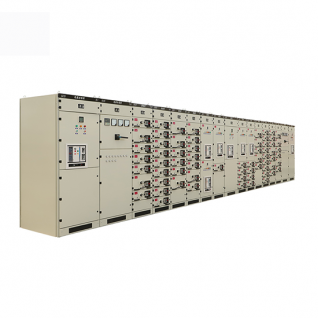
| Installation | No separate room; can share space with switchgear | Usually needs a dedicated vault or room |
| Maintenance | Very low, almost maintenance‑free | Regular oil testing and maintenance |
Hence, for most commercial and industrial PV projects, a dry‑type photovoltaic isolation transformer offers the best balance of safety and performance.
A photovoltaic isolation transformer is not an optional extra – it is a necessity for safe, efficient, and grid‑compliant solar power. Finally, we invite you to contact us today for technical specifications and a competitive quote.
Contact a Xinghe representative today to learn more about our Transformer.