News
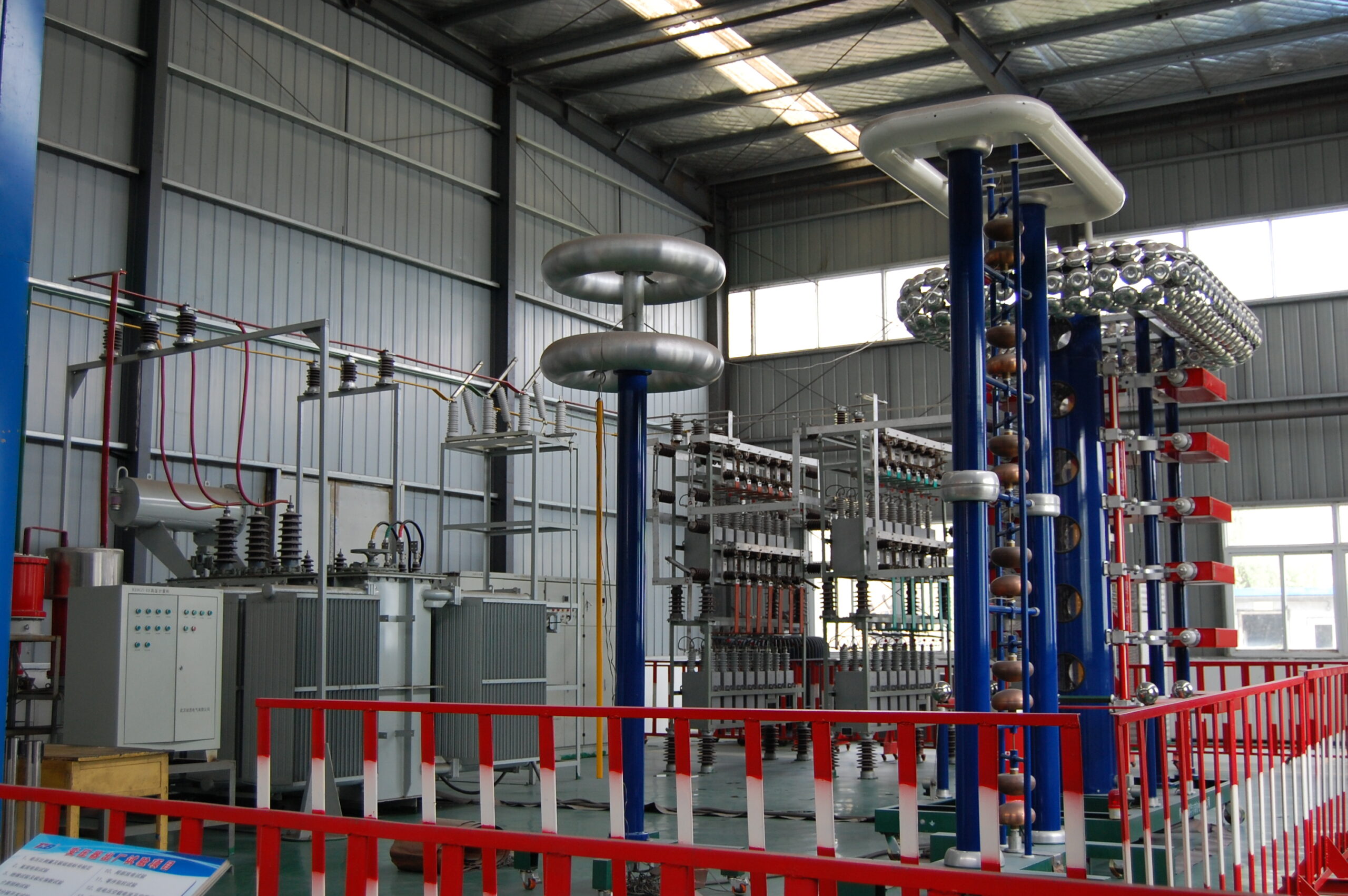
When a transformer is newly installed or undergoes major maintenance, a transformer impulse test is critical before formal commissioning. This test verifies insulation strength, mechanical robustness, and relay protection performance. This guide explains the types of impact tests in power systems, the specific purposes of transformer impulse closing tests, and the standard procedure.
Impact tests in power systems fall into three main categories. Each serves a different purpose:
| Test Type | Description | Application |
|---|---|---|
| Pulse test (sine wave) | Uses a sine wave vibration testing machine | Aerospace, defense, communications; detects early faults and structural strength |
| Impact spectrum test | Controls impact force magnitude and duration on an impact test bench | Verifies product adaptability to shock; tests packaging durability during shipping/handling |
| Testing machine method | Specialized equipment (e.g., crushed stone impact tester) | Automotive material and coating resistance to gravel impact |
Impact tests are also divided by temperature:
When a transformer is first commissioned, engineers follow handover test standards (insulation, protection, secondary circuits). However, before formal operation, they perform a no‑load full‑voltage closing impulse test – usually 5 consecutive closings. This transformer impulse test serves two critical purposes:
When you open a no‑load transformer, operating overvoltage can occur. The magnitude depends on the neutral grounding method:
| Neutral Grounding | Maximum Overvoltage (phase voltage multiple) |
|---|---|
| Ungrounded or via arc suppression coil | 4 – 4.5× |
| Directly grounded | 3× |
Therefore, the impulse test checks whether the transformer’s insulation can withstand full voltage or these operating overvoltages.
When you close a no‑load transformer, an excitation inrush current flows. This current can reach 6 to 8 times the rated current. Such a large current generates significant electromagnetic forces.
✅ Passing the impulse test means the transformer is ready for live grid operation.
Newly installed transformers typically require five no‑load closings. Here is the standard process:
Why five times? Because the closing angle varies each time, the excitation inrush current also varies – sometimes large, sometimes small. Multiple impacts thoroughly test the transformer‘s insulation, mechanical strength, and differential protection under different inrush conditions.
Once the impulse test is completed successfully, the substation can be put into formal operation.
| Aspect | Key Point |
|---|---|
| Purpose | Verify insulation strength against overvoltage and mechanical strength against inrush current |
| Test count | 5 no‑load closings |
| Time per test | ~1 hour total |
| Critical risk | Operating overvoltage (up to 4.5× phase voltage) and inrush current (6–8× rated) |
| Success indicator | No insulation breakdown, no protection maloperation, no mechanical damage |
Contact a Xinghe representative today to learn more about our Transformer.